Supreme Court to Hear Solar Suit Arguments

By Cynthia Drummond for BRVCA
March 4th 2026
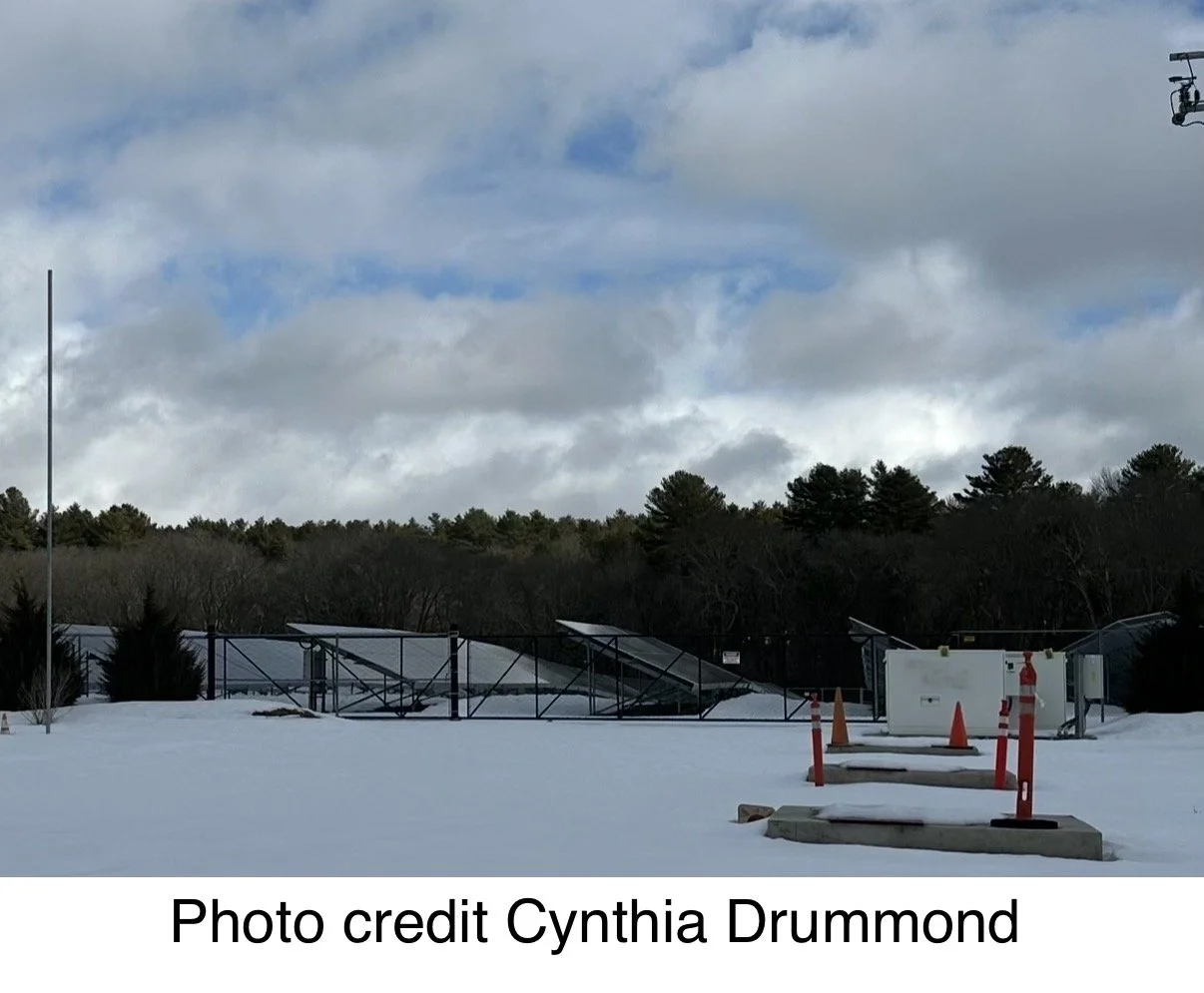
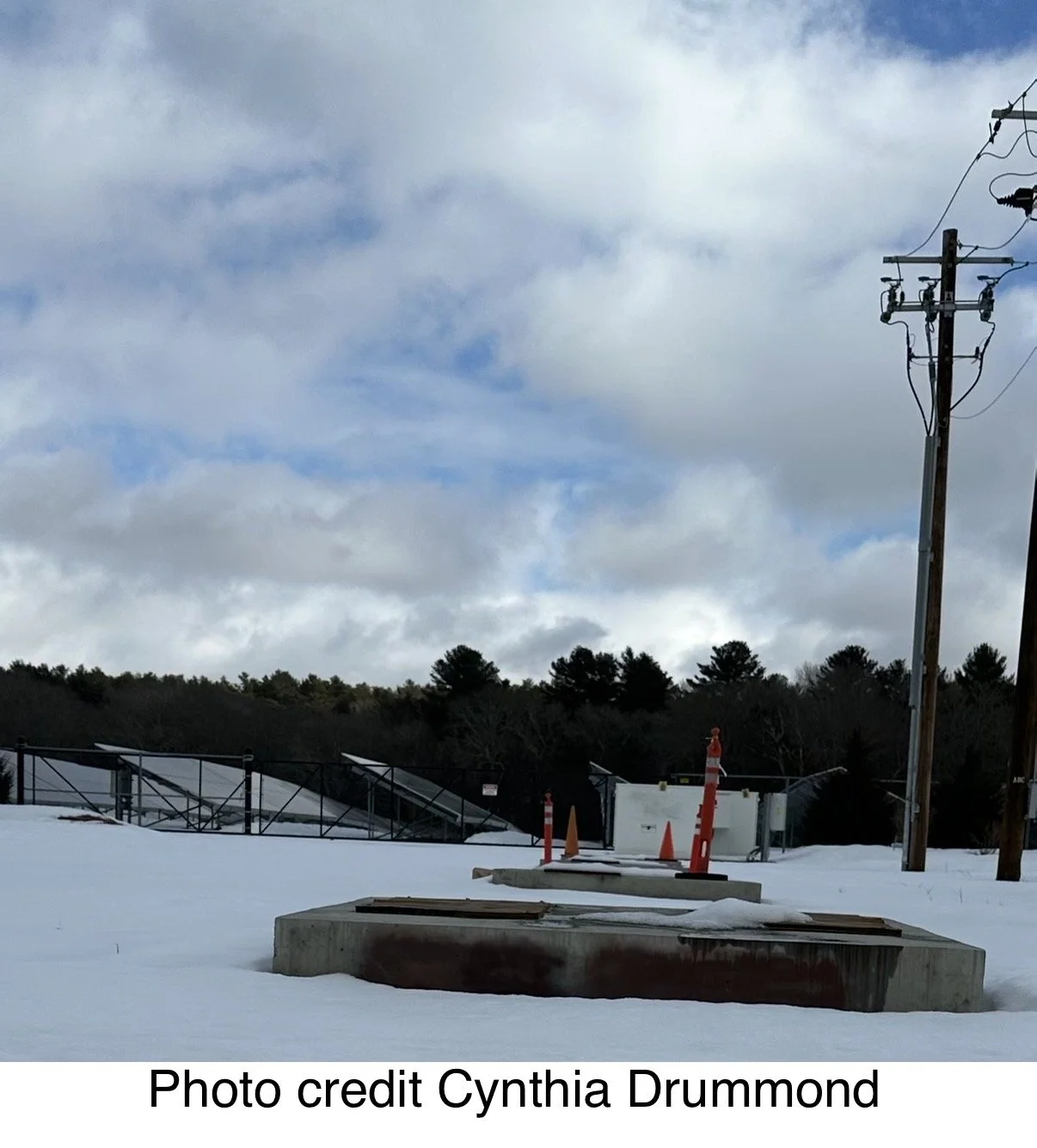
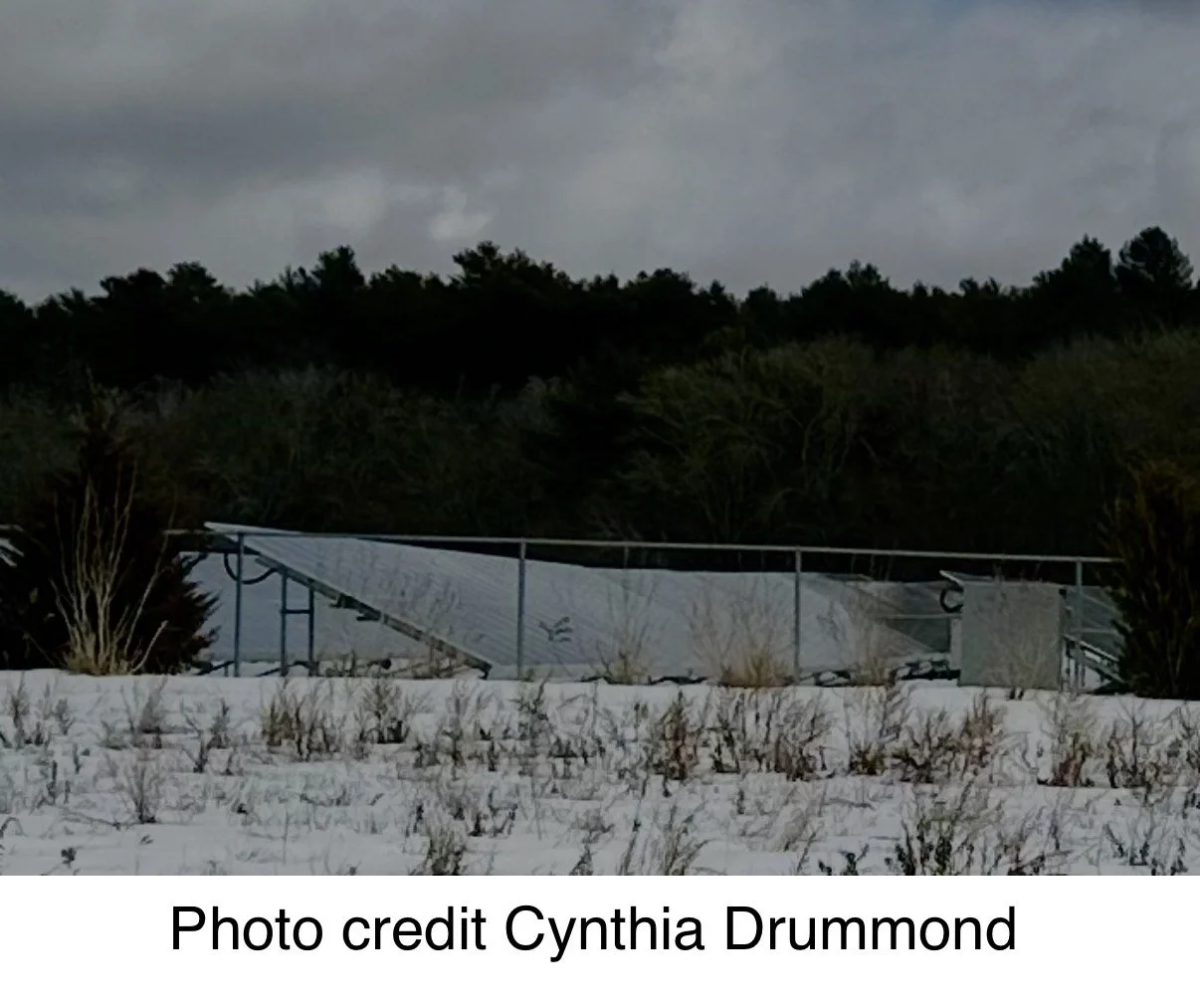
RICHMOND – With the construction of a disputed solar energy facility completed, the Rhode Island Supreme Court will hear oral arguments on March 5 that might reverse a lower court decision that ordered the Town of Richmond to allow the project.
A ruling in March 2023, by Superior Court Justice Sarah Taft-Carter, directed the Richmond Zoning Board to issue a special use permit allowing the project, submitted by GD Beaver River LLC, to be built.
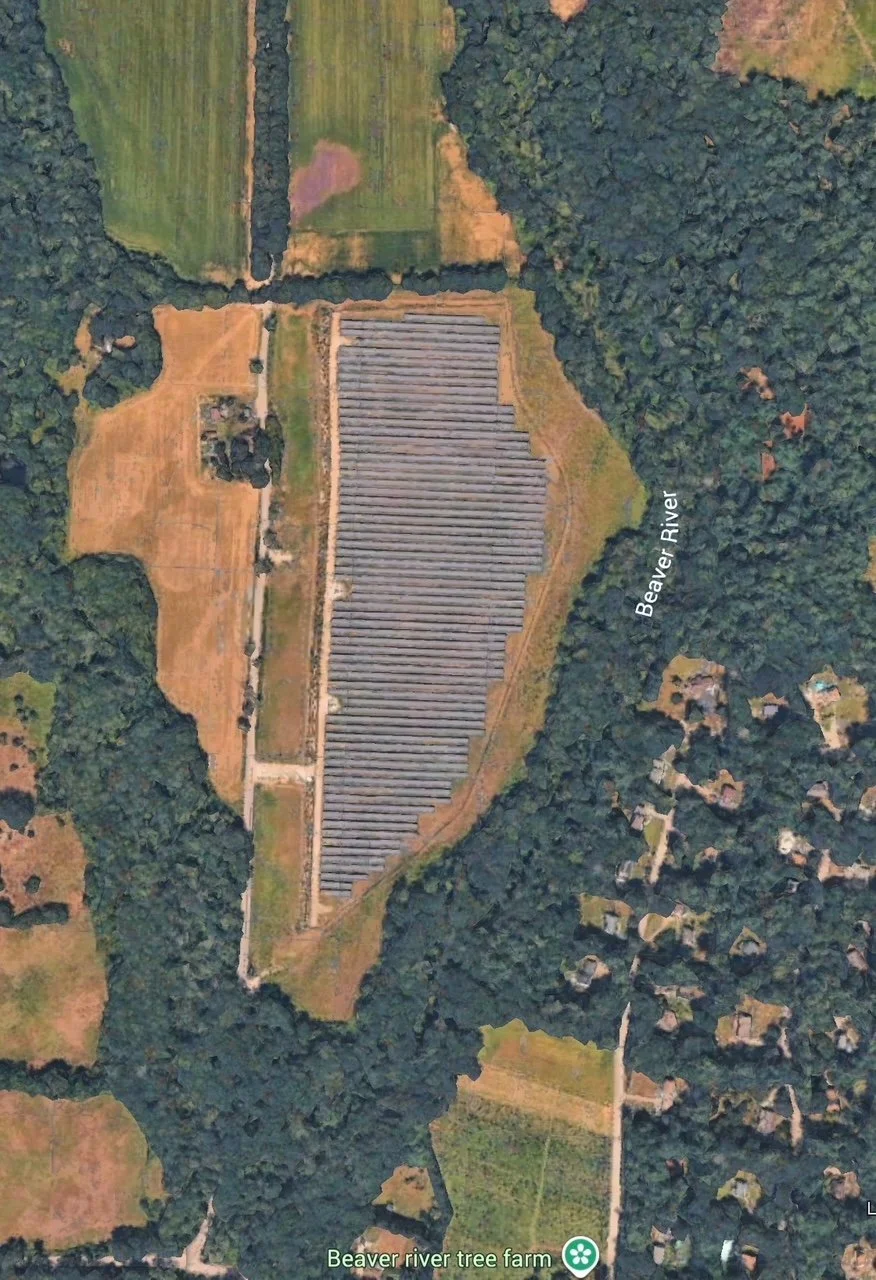
The solar array is located on Beaver River Road, which, in 2021, was added to the National Park Service’s National Register of Historic Places, and the Beaver River is part of the federally-designated Wild and Scenic Rivers System.
Neither of those national designations prevented the developer from moving ahead with the project, and neighbors could only look on as the heavy equipment moved in, stripped the field, and workers began installing the racks that would support the solar panels.
As construction proceeded in the former corn field owned by William Stamp Jr. of Cranston, two objectors, the owner of an abutting property, and the Town of Richmond, initiated legal proceedings asking the Supreme Court to reconsider the Taft-Carter decision.
John Peixinho, who purchased and restored the historic Samuel Clark farm on Lewiston Avenue, has fought to protect the Beaver River Valley from industrial solar development. The farm, which includes one of the oldest timber frame houses in Rhode Island, is also on the National Register of Historic Places.
“It’s just devastating that they are charging ahead with this massive installation while the case remains unsettled,” Peixinho said when construction began. “But I believe that’s also a clear indication of what little regard these out-of-town property owners and solar companies have for our community.”
In June, 2023, as the construction continued, Peixinho, represented by attorney Tom Dickinson, and Karen Ellsworth, the Richmond Town Solicitor at the time, each submitted a petition for a Writ of Certiorari, which asks the Supreme Court to review the lower court decision. The Supreme Court granted the writs in April 2024.
Project History
GD Beaver River and William Stamp first applied in 2018 for a special use permit, which was required because the property, at 172 Beaver River Road, is in a low-density residential zone.
Russel “Bo” Brown, the zoning official at the time, denied the application, because the project did not meet a town requirement that solar arrays be no more than two miles from a utility substation.
The application was also denied by the Planning Board, because the proposed industrial solar energy facility would not be consistent with provisions in the town’s comprehensive plan that protect the town’s rural landscapes and cultural and historic heritage.
GD Beaver River appealed the Zoning Board decision to Superior Court, which remanded the case to the Zoning Board. When the board again denied the application, the developer appealed once more to Superior Court and this time, he prevailed, with Justice Taft-Carter stating that the Zoning Board’s reasons for denying the application were “unsupported” and directing the town to immediately issue the special use permit.
The Writs
Peixinho’s petition argued that the writ should be granted to correct the error made by the Superior Court:
“A Justice of the Superior Court reviewing a zoning decision is bound by the limits of R.I. Gen. L. sec. 45-24-69, which prohibits the court from substituting its judgment for that of the zoning board of review. On certiorari, this Court will
reverse if it can be shown ‘that the justice misapplied the law, misconceived or overlooked material evidence, or made findings that were clearly wrong.’ Kenlin Properties v. City of East Providence, 139 A.3d 491, 500 (R.I. 2016) (reversing a trial justice who overturned zoning board).”
The petition further states:
“Here the trial justice misapplied the law and was clearly wrong in the failure to apply this Court’s precedents.
With regard to the two-mile requirement, the trial justice substituted her interpretation of the ordinance for the zoning official’s interpretation and the board of review’s interpretation as well.”
Once the Supreme Court has rendered a decision on the lower court decision, there is no avenue for further appeal. Should the court rule in favor of the town and Peixinho, it is unclear whether the developer would be required to dismantle the equipment and remediate the site.